
Beak School is force free parrot training for owners whose bird bites, screams, or picked someone else.
Keep the bird you love, without the biting and the screaming.
Your bird almost always warns you before a bite. Press play to see the warning you've been missing, and the three steps that turn it around.
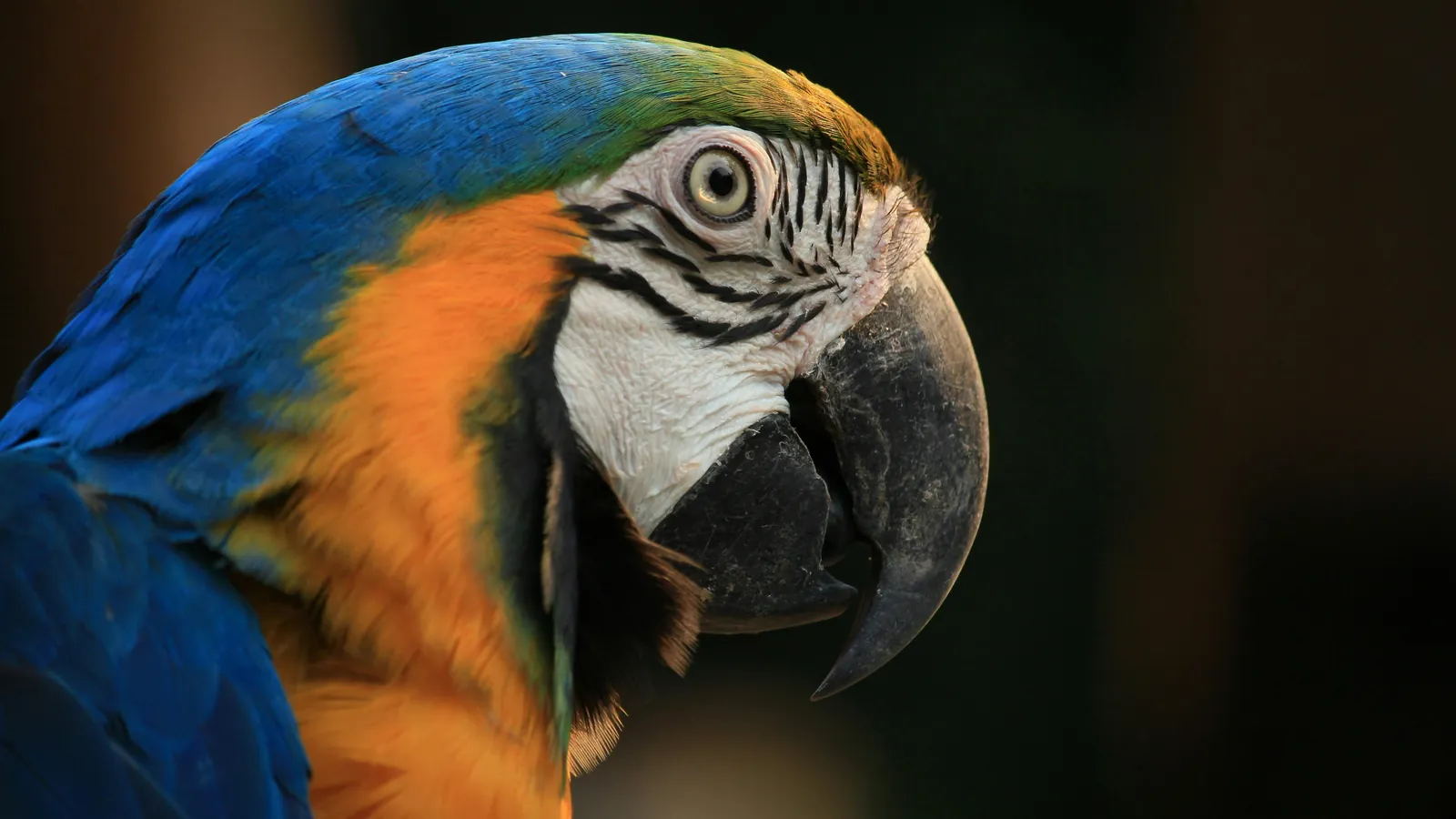 Your bird has been talking to you this whole timeWatch first 2:45
$27 for your first 30 days, then $77 a month. Cancel anytime.
- 4.6Average member rating
- 12,000+Parrot owners helped
- 140+Video lessons in 33 modules
- 25 yrsOf parrot experience behind it
Works on every companion parrot species
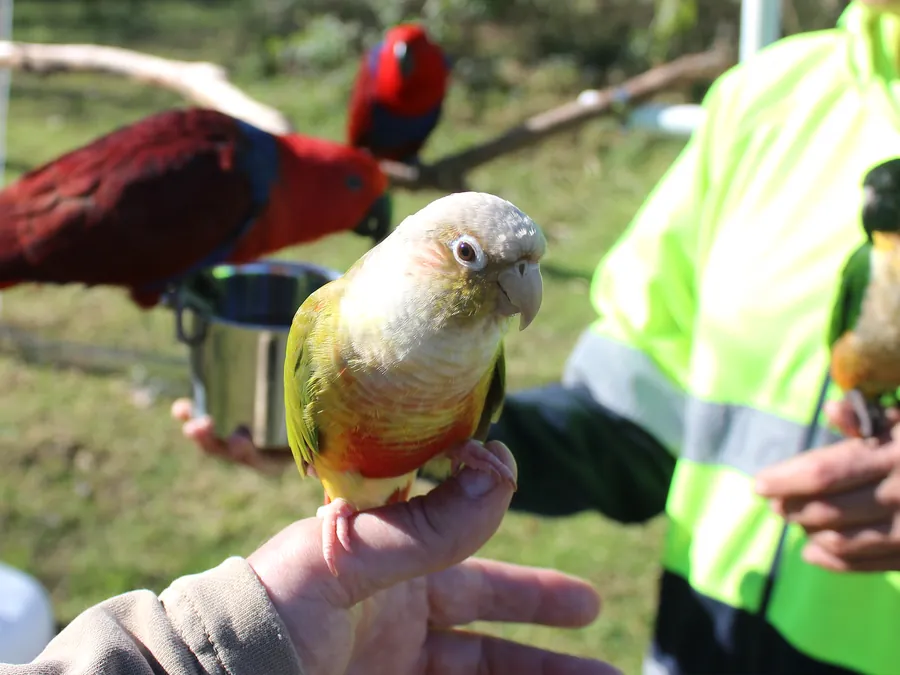
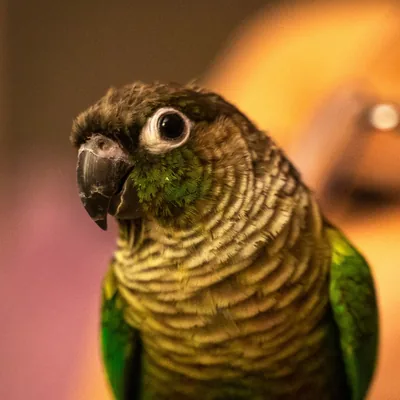 Conure
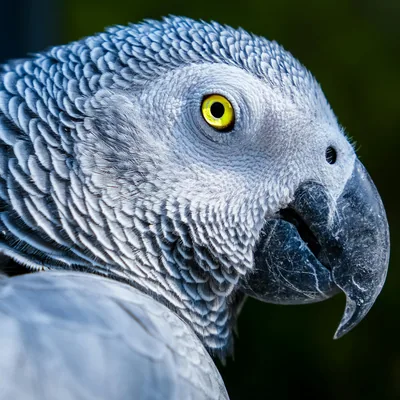 African Grey
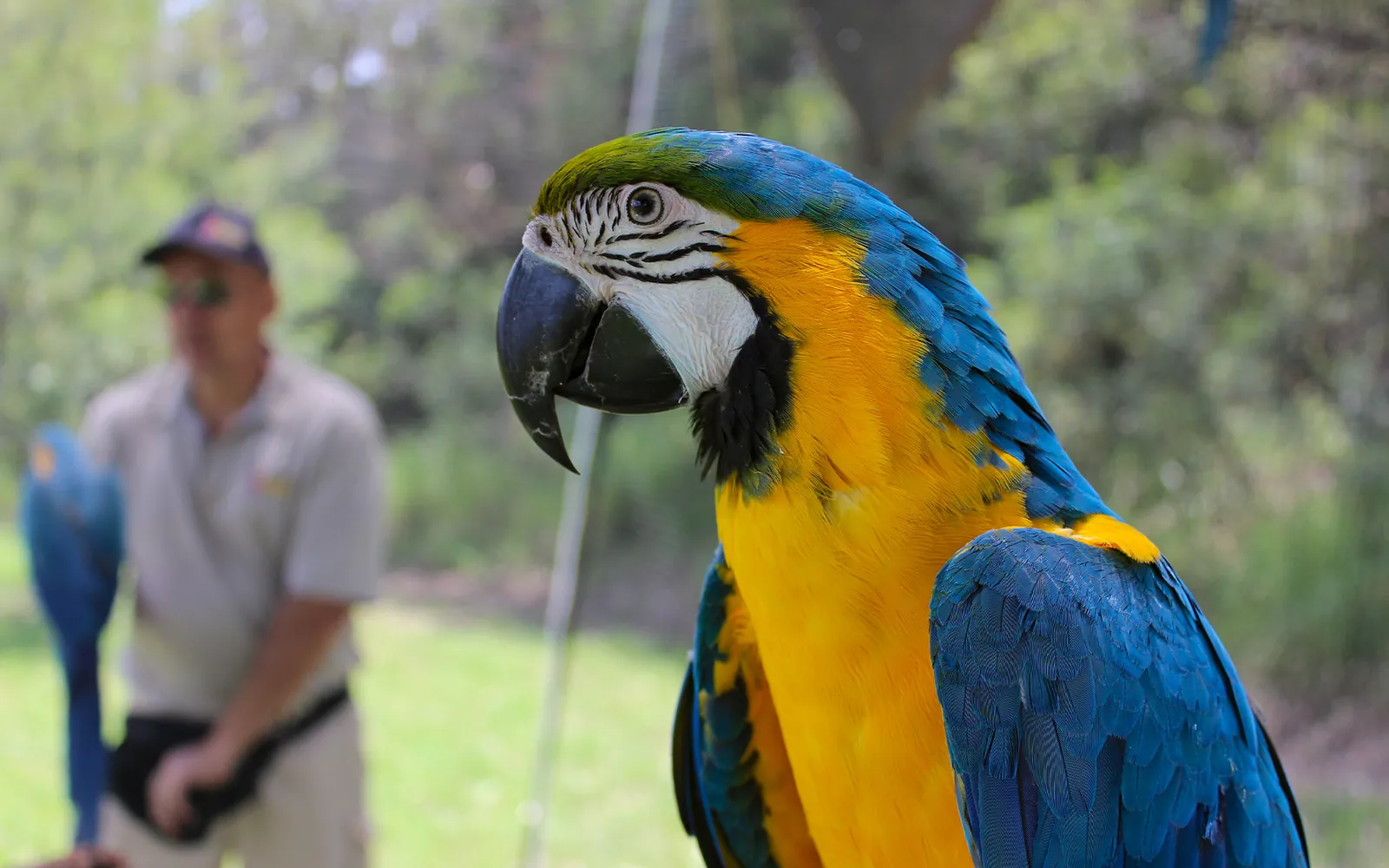
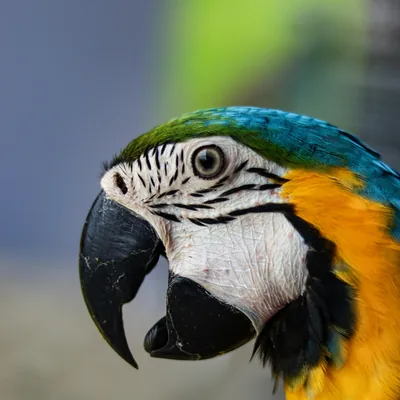 Macaw
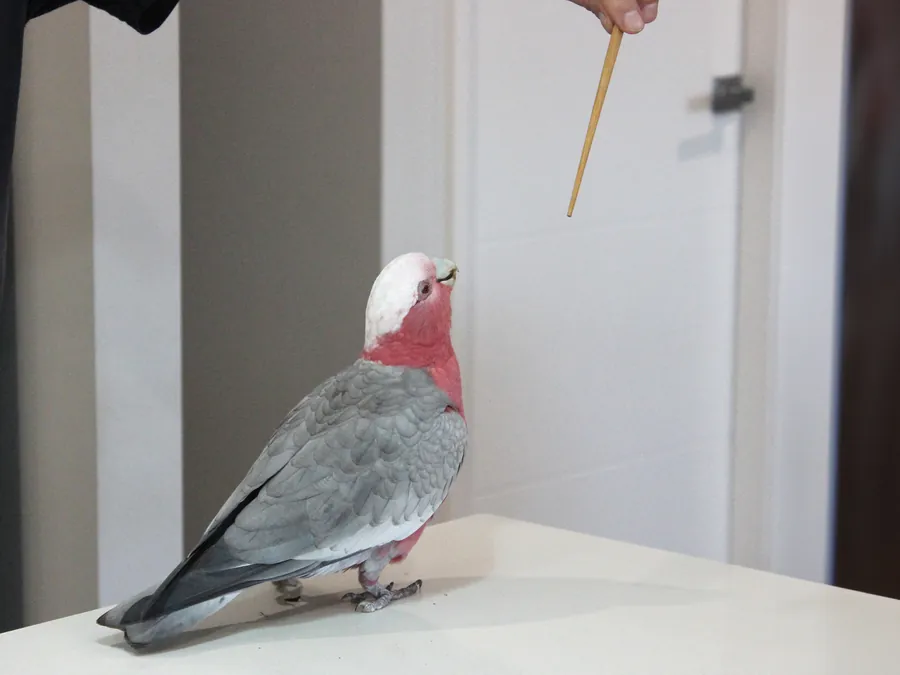
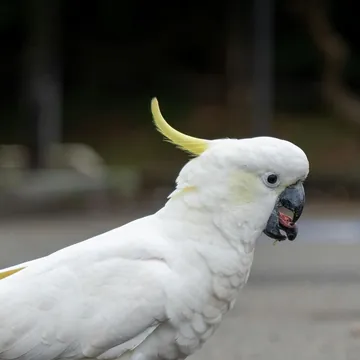 Cockatoo
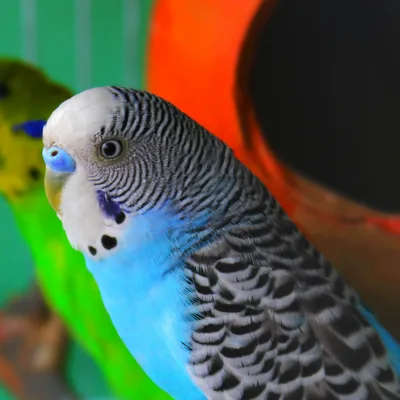 Budgie
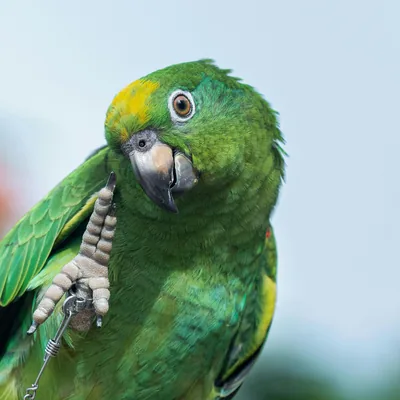 Amazon
Also works on Cockatiels, Eclectus, Lovebirds, Parrotlets, Quakers, Senegals, Pionus, Caiques, Indian Ringnecks, Alexandrines, Lorikeets, and every other companion parrot. Rehomes and 20 year old biters welcome too.
Owners who started where you are
“He is stepping up a lot easier now and he is even allowing me to pet him.”
 JoanneLeo, green cheek conure
“I was desperate to find a solution for our GCC's aggression. I did not have the time to watch a bazillion YouTube videos. I decided to try it out and we saw results in days!”
 Liz AndersonGreen cheek conure
“We thought our Indian ringneck was a biter and will always be one... In a few weeks, his biting was taken care of.”
“I'm going to continue working in this direction, good advice and technique saves frustration. You should be charging more for this!”
Eddie KAfrican grey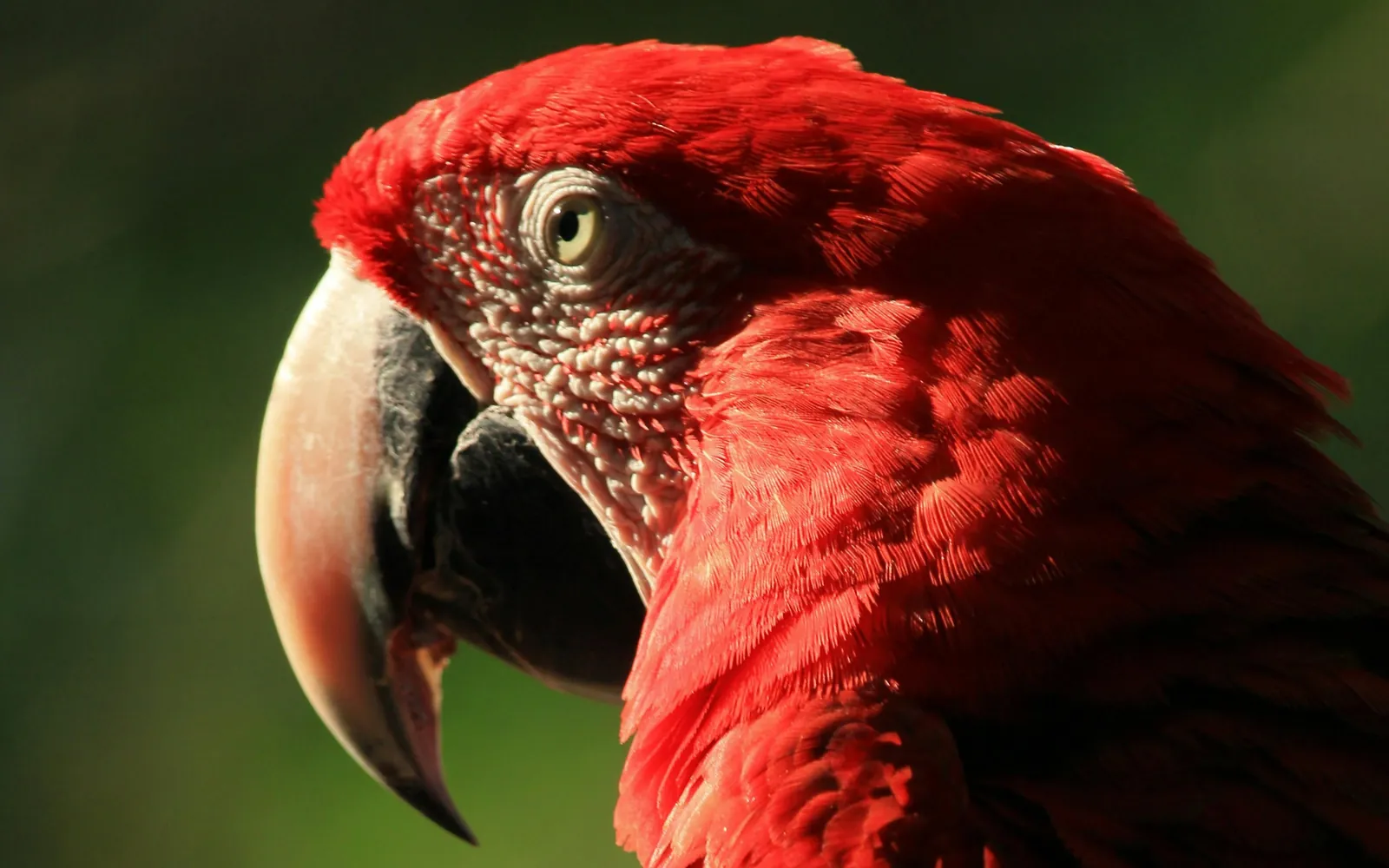
You remember the sweet bird you brought home. Lately you're not sure where he went.
You still love him. That's what makes this so hard. Somewhere along the way the bird who used to lean in for scratches started doing things you can't explain.
- You flinch when your hand goes near the cage.
- The bites come hard enough to draw blood, and sometimes close to your face.
- The screaming starts at first light and again the second you hop on a call.
- New feathers grow in and get chewed out within a week.
- He picked one person in the house, and lately you wonder if he picked you at all.
You're running out of patience, and Band-Aids. And one night you typed a word into Google you never thought you'd type: rehome.
You're not the only one
It's 11pm, and you're still searching
The house is finally quiet. You're in bed with your phone, reading another thread where strangers argue about your bird. One says ignore him. Another says you're not a bird person. You close the app feeling worse than when you opened it.
You've done everything a responsible owner does. You covered the cage, then uncovered it. You ignored the screaming, then yelled quiet. Every source said something different, so every fix half worked, and your bird got more confused.
What it's costing you
Your mornings
First light, first scream. Your day starts before your alarm does.
Your home
Your partner has stopped reaching for the cage, and the neighbors have stopped pretending they can't hear.
Your hands
The bites draw blood, and the last one landed a little too close to your face.
Your confidence
You're nervous around your own bird, and you'd never say that out loud.
And under all of it is a question you don't want to answer: what happens to this bird if nothing changes?
85% of parrots get rehomed at least once. Almost none of those owners stopped loving their bird. They ran out of answers.
Nobody here is going to blame you
The forums already did that. Beak School was built for the owner who is tired of being judged and just wants something that works. It's built on 25 years of experience with parrots and has helped more than 12,000 owners. Every lesson is force free.
I had a dog named Ember. I trained her with the only methods I knew at the time, and they were built on force. She loved me anyway, and I wish I'd known the better way while she was still with me.
That's why I bought Beak School. You shouldn't have to lose an animal you love before someone shows you the better way. Every bird deserves an owner who understands it, and every owner deserves one place they can trust.

You were never the problem, and neither was your bird. You just got the steps in the wrong order.
Wild parrots almost never bite each other hard enough to draw blood. Biting is something a bird learns in a home, which means it can be unlearned.
Before a bite, your bird almost always sends smaller signals first, like leaning away or slicking his feathers. When those signals keep getting missed, he stops sending them, because the bite becomes the only message that works.
The screaming works the same way. Wild parrots call to check on their flock, and they wait for an answer. When you yell quiet, you answer the call. The scream did its job, so it comes back louder tomorrow.
It doesn't have to be this way.
Every good trainer works in the same order
Trust comes before hands, hands come before the step up, and the step up comes before anything hard.
Skip a step and nothing sticks. That's why forty tips from forty places never added up. Beak School puts the steps in order for you, in one method we call the Trust Ladder.
 1
Read your bird
Learn the small signals your bird sends before a bite, so you can stop at the first one and he never needs to bite to be heard.
 2
Rebuild trust
Five to ten minutes a day, while the coffee brews. No gloves and no grabbing. You let your bird come to you.
 3
Bond
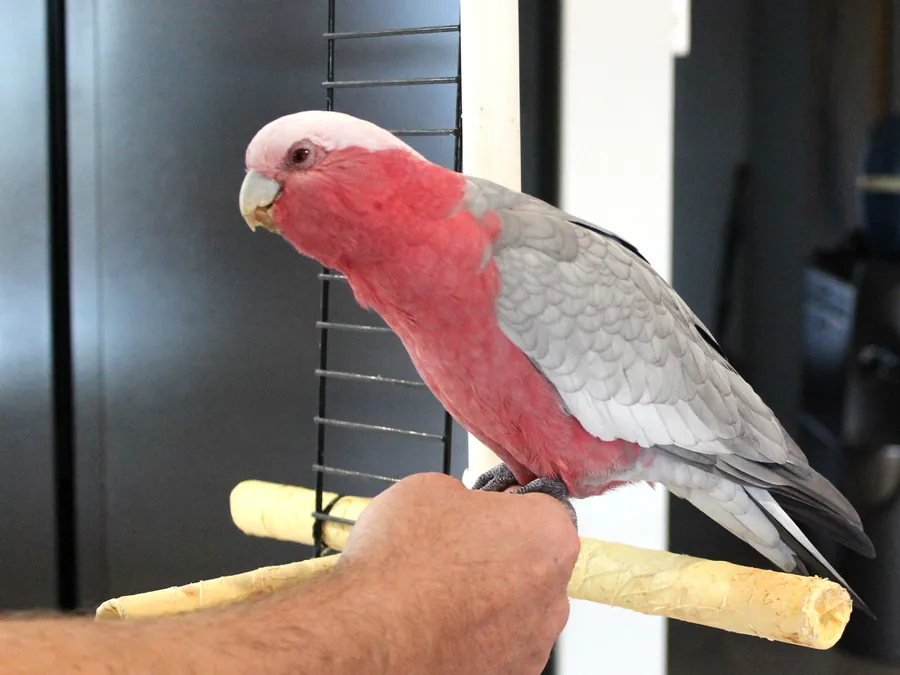
Calm step ups and gentle petting, from a bird that chooses you.
You can start step one tonight.
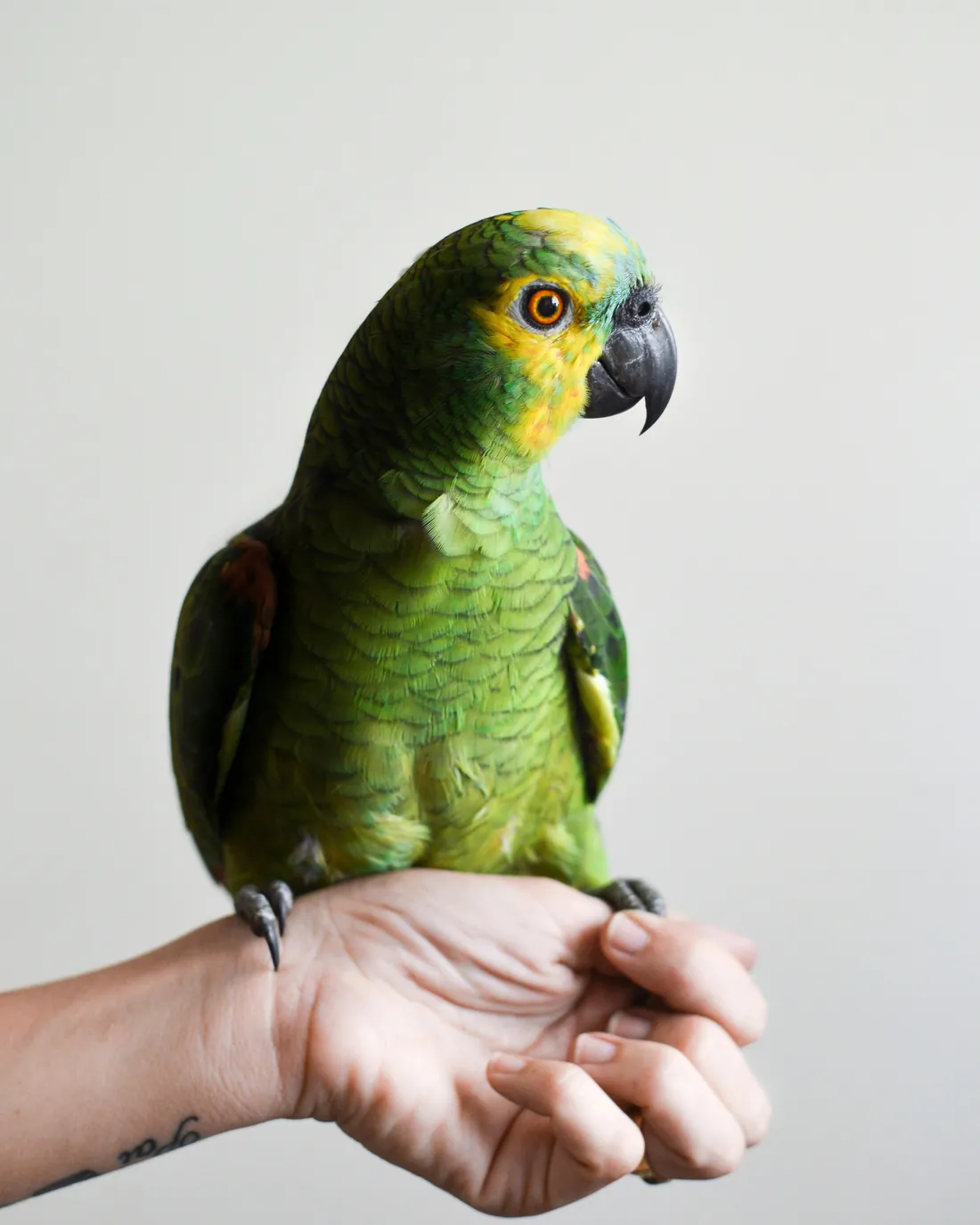
Picture a Tuesday evening a few weeks from now. You open the cage with no glove and no bracing for it. Your bird gives that little head dip and steps right onto your hand.
Your partner reaches for the cage again. You're the person your bird chooses, and the sweet bird you brought home is back.
Everything you need, the night you need it
- Find your answer in about a minute, even at 11pmMore than 140 video lessons across 33 modules, sorted by the problem you actually have.
- Ask a qualified trainer when you get stuckA monthly live group call for the thing your bird did that no video covered.
- Stop carrying this alonePost a video in the private community at 2am and wake up to real answers from owners who have been there.
- Start tonightThe full library opens the moment you join. Watch on any device.
Start tonight for $27
A private behavior consultant charges $900 to $4,800 to fix one problem on one bird. Beak School gives you the whole method and a live trainer every month, starting at $27.
Monthly membership
- All 140+ lessons across 33 modules
- The monthly live call with qualified trainers
- The private owner community
- Cancel anytime
Lifetime access
- Every lesson for life, plus every new one
- A full year of live group calls
- Every live call replay, for life
- One bird or every bird you'll ever have

Finish Module 1. Calmer bird in 14 days, or your money back.
That's the Calmer Bird Guarantee. The risk sits with us. If your bird isn't calmer within 14 days of joining, email us and we'll refund every dollar.
Questions owners ask first
I've tried everything. Why would this be different?
My bird is older or came from another home. Is it too late?
I don't have much time.
What if it doesn't work on my bird?
Will this stop my bird from plucking?
Can I cancel anytime?
Tonight, watch the lesson that explains what your bird has been trying to tell you.
Finish Module 1. Calmer bird in 14 days, or your money back.
P.S. If you're reading this at 11pm with a Band-Aid or a paper towel wrapped around your finger, you're exactly who this was built for. The first lesson plays on your phone, and you can watch it before you fall asleep tonight.